10 Signs You Should Stop Eating Gluten Immediately
Are you gluten sensitive? That question might be a bit difficult to answer because research has shown that up to 99% of those who are gluten sensitive never know they are. Instead, they just suffer the symptoms without any idea as to what causes it.
The new research on gluten intolerance seemed to come as rude shock to a lot of people who thought gluten intolerance is not that dangerous. On the contrary, research findings published in the journal of the American Medical Association showed that people with glutton intolerance or celiac disease are a lot more likely to die from heart diseases, cancer and some other terminal conditions.
The study which involved observing a large group of people for decade found that those with celiac disease have a 39% increased risk of death while those with gluten sensitivity have an increased risk of up to 35%. You can see further details of the research here.
How do you know if you have gluten sensitivity?
Like in every other health condition, early diagnosis is vital to effective management of gluten sensitivity or intolerance. Below is a list of ten things that are pointers to possible gluten intolerance. If you have observed any of these, you may want to speak to a doctor about it.
- Problems with digestion like gas, constipation, and bloating.
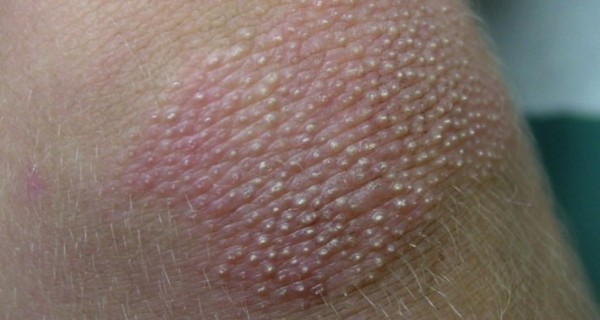
- Keratosis Pilaris is also a common problem caused by inadequate amount of vitamin A, fatty acid or mal-absorption of fat which is caused by the damage done to the gut by gluten.
- Gluten intolerance may also be the root cause of Hashimoto’s thyroiditis, scleroderma or other autoimmune disease like Lupus, Multiple sclerosis and Psoriasis. Others include Rheumatoid arthritis and Ulcerative colitis.
- Tiredness and fatigue could also be observed immediate after gluten consumption. It could also lead to brain fog.
- Some people also feel a bit dizzy or unstable. These and some other neurologic symptoms are not uncommon in some.
- Serious headaches or migraines
- Infertility or lack of balance in hormones like the PCOS and PMS.
- Joint pains, swelling or inflammation
- Unexplained pain, fatigue or fibromyalgia
- Mood swings resulting in depression, ADD, restlessness or other similar symptoms.
How to manage your Glutton sensitivity
The first step is to know if you are actually among the 15% of Americans who are glutton intolerant. If you have observed any of the conditions listed above or you suspect you might be intolerant to gluten, then the first and probably the most important step you can take is to stay away from foods like bailey, rye, oats, and wheat which contains gluten. You can do this by removing things like pizza, bread and pasta from your diet for a while. This will help you purge the gluten in your system and you will be able to observe if you actually feel better. Ideally, you want to say no to all processed food forever but you could reduce it to the barest minimum. When you o this, you should begin to see improvement in your health in little or no time.
Source: Beauty Health Page