Everything You Need to Know About a Gluten Free Diet (Recipes Included)
Gluten-free diet, as you probably recall, was the subject of much debate last year as celebrities, including Miley Cyrus and Gwyneth Paltrow, started to promote its positive effects. Gluten-free diet is much more than just eliminating bread and pasta from your diet. In reality, gluten can be found in everything from cereal, to herbal tea, soup and salad dressing.
The Cleveland Clinic informs that this diet is created for people suffering from an autoimmune disorder known as celiac disease (CD). What happens when those with CD eat foods containing gluten is that their immune system produces antibodies to gluten, which then attack the intestinal lining and may ultimately lead to malnourishment, as well as anemia, osteoporosis and cancer.

A study published in the American Journal of Gastroenterology reveals that of the 1.8 million Americans who suffer from gluten intolerance or sensitivity, only 1.4 million know it. Therefore, a gluten-free diet should not be limited to those with the disease.
In case you’re intent on going gluten-free, no matter whether you suspect gluten intolerance to be the cause of your stomach issues or not, you should consider it carefully. WebMD claims that although gluten itself doesn’t provide special nutritional benefits, numerous other whole grains containing gluten do. Gluten-free products are likely to have less B vitamins, iron, zinc calcium, magnesium, and fiber as reports the American Dietetic Association. Thus eliminating them randomly implies that you reduce your intake. Even if you decide to follow this diet, make sure you replace these nutrients with other sources, as they are all highly beneficial for protection against diseases like diabetes and cancer.
You can easily discover where gluten hides, plus what true gluten-free meals and snacks mean by consulting your doctor.
Without a doubt, gluten-free alternatives are regularly manufactured by large companies, but that doesn’t necessarily make them healthy. Generally, when an ingredient is extracted, it’s substituted with something else that’s even more abundant in fat and/or sugar.
The basics, from symptoms to solutions, are provided below in order to help you get things straight about whether a gluten-free diet is in your best interest.
Symptoms
Fox News reports that although it’s hard to diagnose, because it’s often misconceived for related diseases such as diabetes and digestive cancers, early CD onset is manifested with bloating, gas, stomach pain, diarrhea, nausea, vomiting, bloody stools, loss of appetite and/or weight loss, whereas chronic symptoms comprise itchy skin, easy bruising, hair loss, joint pain and fatigue.
Fox News adds that both gluten sensitivity and intolerance lead to similar symptoms although they aren’t autoimmune disorders. Those suffering from intolerance may also experience abdominal cramping, bloating, diarrhea and flatulence.
Diagnosis
As CD is genetic, you should consider running genetic tests in case anyone in your family has been diagnosed. Or else you can get a blood test to determine whether you are affected or not. Joseph Murray, MD, a Mayo Clinic gastroenterologist, says that positive results don’t always mean yes. If the blood test is positive, it’s only probable that you are affected with CD. A small bowel biopsy is necessary to confirm the result, during which doctors take out a small piece of your intestinal wall to analyze its texture and see any changes associated with CD.
It’s highly recommended to see a specialist in the interest of tests, as a gastroenterologist like Murray will be acquainted with symptoms and possibly diagnose you sooner than your primary physician.
Food
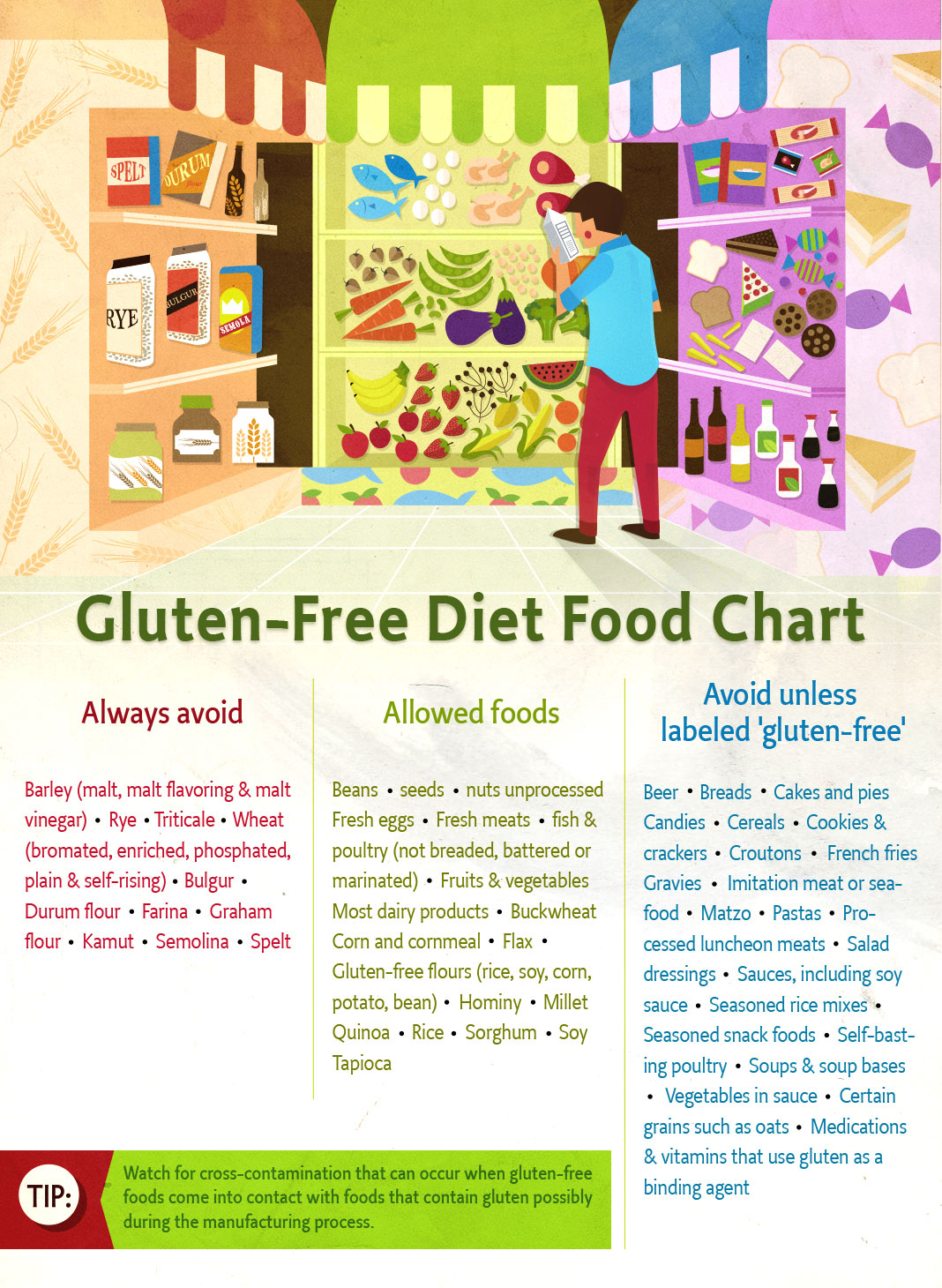
When it comes to your diet, again it asks for much greater sacrifice than just cutting out pizza from your menu. It actually calls for removing any food with this protein from your diet, which can sometimes be really hard to detect. You can consult your doctor, or even a dietician, on this matter. They can teach you how to notice the vague ingredients hidden in general foods. Once you get used to doing this, the easier they’ll be to discover.
You can always turn to alternative brands and luckily, there are several companies you can trust – KIND Healthy Snacks, Fage, Smucker’s, Bob’s Red Mill, Wild Planet, Applegate and Cascadian Farm.
You can refer to the Mayo Clinic website for a full list of what a gluten-free diet permits. Still some of the essential items include eggs, beans, seeds, brown rice, quinoa, lean meats, corn, fruits and vegetables.
Recipes
No matter what spurs you to go gluten-free, whether its CD, intolerance, sensitivity or a genuine curiosity (with your doctor’s approval, of course), you’ll want to get familiar with how to prepare healthy meals in the right way.
Angel Hair Pasta with Scallops and Tomatoes

Sweet bay scallops and diced, petite tomatoes are a perfect addition to brown rice and quinoa-style pasta. Bonus: this dinner takes no more than 15 minutes to prepare.
Carrot Soup with Miso and Sesame

This is a healthier, plus gluten-free, version of the soup offered in sushi restaurants. What really enhances the taste here is a sprinkle of toasted sesame oil and sliced scallions.
Cheesy Grits Casserole

This old fashioned, stone-ground grits casserole is your new creamy comfort instead of macaroni and cheese. It offers much better flavor and texture.
Baked Lemon Risotto
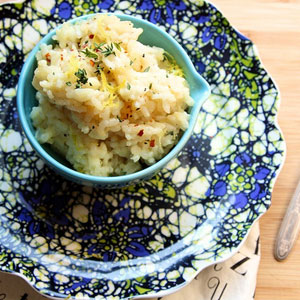
This dish is the perfect solution for a piquant dinner with Parmesan cheese, herbs, lemon, salt, and chili flakes.
Almond Butter Chocolate Chip Cookies

These cookies are both gluten- and guilt-free as they are made with almond butter, flax, oats and dark chocolate. Enjoy!
Source: www.northwestpharmacy.com